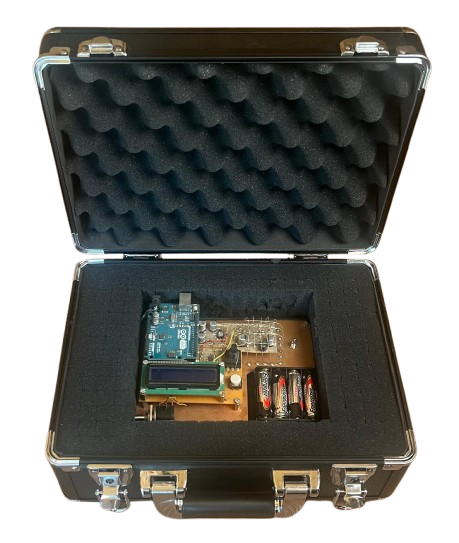
In this video, we discuss our series of experiments in which we demonstrate the influence of human willpower on a random number generator with and without the influence of the Alpha Wave Box.
Alpha waves have been considered a fascinating field of research within neuroscience for decades. These brain waves, which occur primarily in states of deep relaxation, are associated with increased creativity, heightened attention and self-regulation processes. The present study investigates the extent to which the activation of alpha waves can influence the outcome of conscious intentions.
Specifically, the experiment is based on a random generator that, under normal conditions, shows a distribution of approximately 50:50 between the outputs ‘0’ and ‘1’. However, as soon as the test subjects express a clear preference for a result – for example, for ‘1’ – and the Alpha Wave Box is also activated, the probability changes significantly and approaches a ratio of approximately 60:40.
The aim of this study is to identify possible correlations between mental focus, alpha activity and statistically verifiable changes in a technically generated random signal. This should contribute to our understanding of the interaction between human consciousness and physical systems.


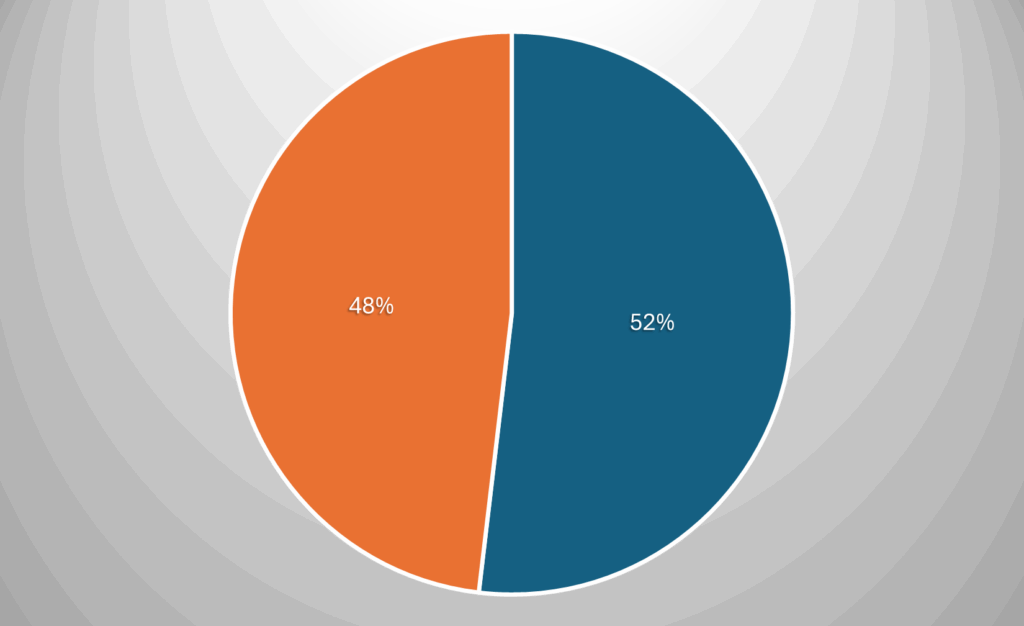
Balanced result between 0 and 1
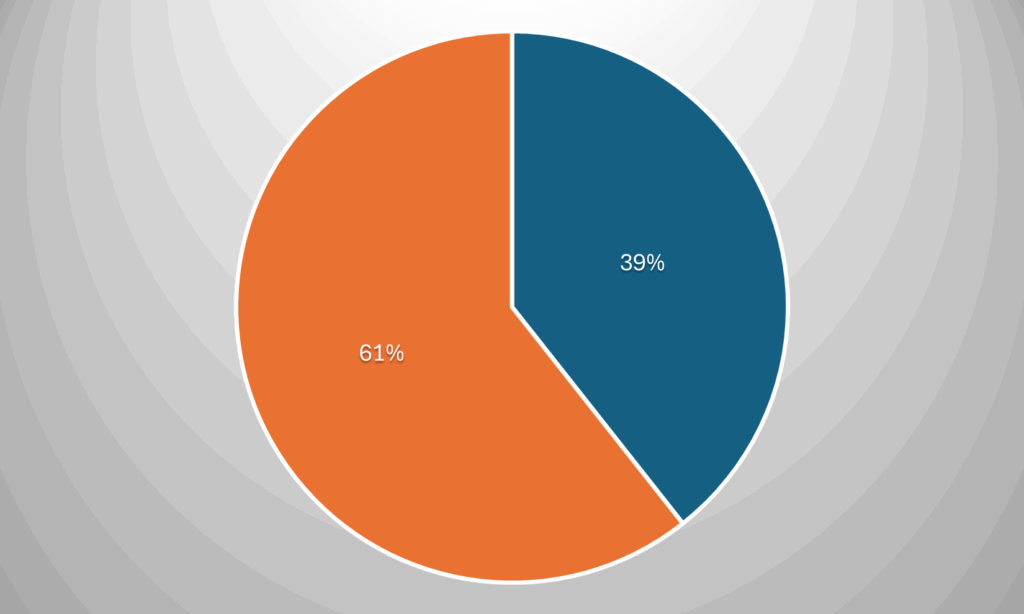
The ‘desired result’ is achieved significantly more effectively if the test subject focuses on it while the alpha wave box is switched on.
The results of this study could provide evidence that conscious intention, in conjunction with alpha waves, has measurable effects on random-based systems. Although the available data does not constitute definitive proof, it does open up exciting prospects for further studies. In particular, the question of the extent to which mental states can influence the statistical distribution of technical processes remains a promising field of research.
Um Ihnen ein optimales Erlebnis zu bieten, verwenden wir Technologien wie Cookies, um Geräteinformationen zu speichern und/oder darauf zuzugreifen. Wenn Sie diesen Technologien zustimmen, können wir Daten wie das Surfverhalten oder eindeutige IDs auf dieser Website verarbeiten. Wenn Sie Ihre Einwilligung nicht erteilen oder zurückziehen, können bestimmte Merkmale und Funktionen beeinträchtigt werden.